

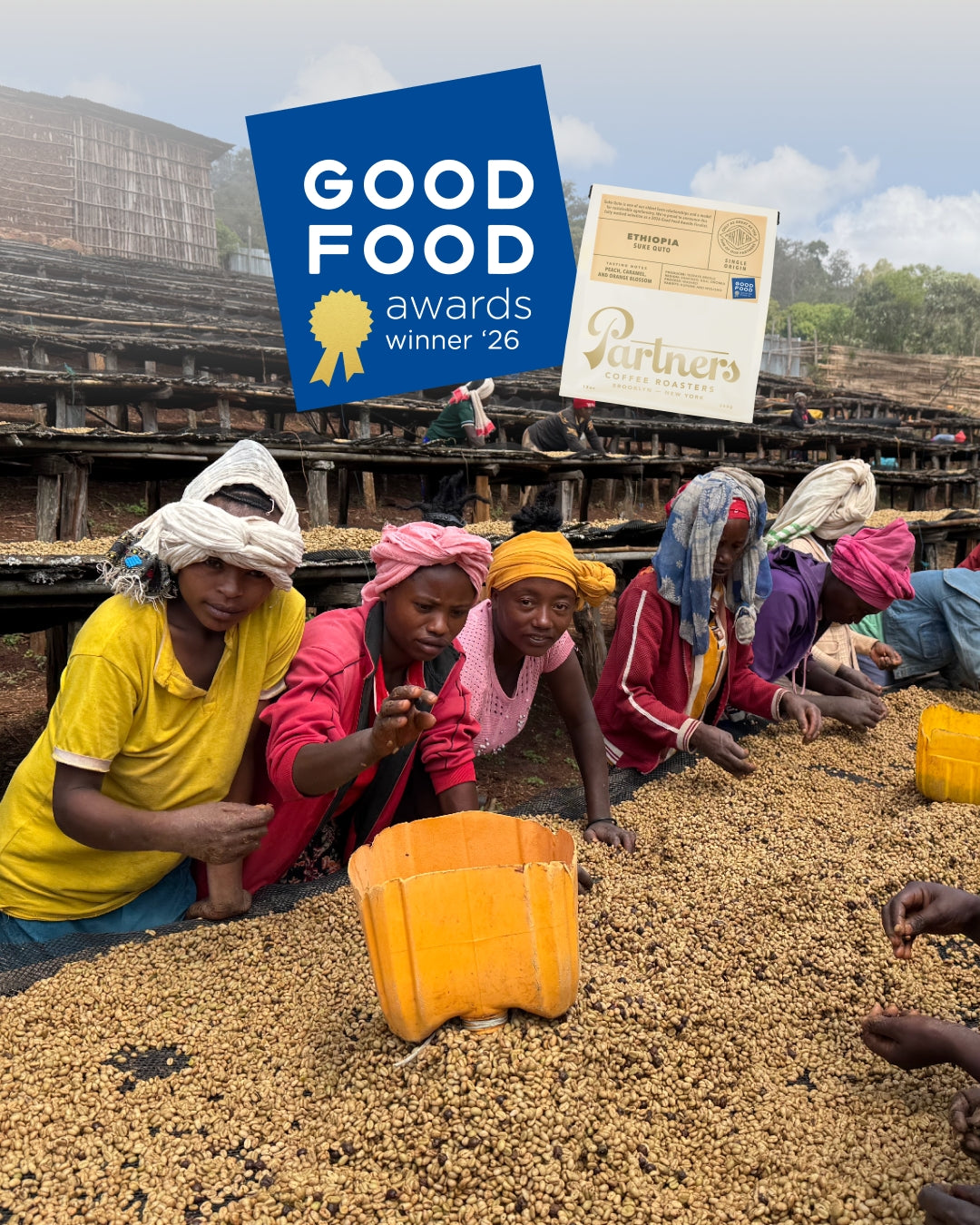
We are thrilled to share that Ethiopia - Suke Quto, opens in a new tab was named a winner in the 2026 Good Food Awards! Suke Quto is one of the most inspiring farms we buy coffee from. We’re proud to represent their work and honored to receive this recognition by the Good Food Foundation.
What are the Good Food Awards?
The Good Food Awards, opens in a new tab is an annual competition organized by the Good Food Foundation, opens in a new tab that celebrates products across several food and beverage categories which are not only delicious, but environmentally and socially responsible as well.
The competition begins with two rounds of blind tasting. High scoring coffees are then vetted according to numerous ethics and sustainability criteria, some of which we’ve detailed below.
We were among 234 finalists, which included 19 other coffee companies and ultimately 15 winners in the coffee category.
Why Suke Quto?
At its heart, Suke Quto is a conservation project. Its mission is to protect native forest in Guji, Ethiopia in an area experiencing deforestation related to wildfires, mining, and monoculture farming.
The farm was founded by Tesfaye Bekele in the early 2000s (according to our Gregorian calendar - Ethiopian dates follow a slightly different system). Tesfaye holds a masters’ degree in environmental science; he was working for the Ethiopian national forestry service when a series of fires destroyed vast areas of forest near Shakisso, Guji. Tasked with aiding the response efforts, Tesafye observed that many people in the community were replanting the land with monoculture crops like corn and wheat.
Tesafye understood that coffee grows well under forest canopy, particularly in its native environment in the highlands of what is now Ethiopia, so he began to campaign for coffee as an alternative cash crop. If local farmers would embrace coffee, perhaps they could preserve the forest.
Coffee was not commercially grown near Shakisso - although it has a long history in other parts of Guji - so locals were reluctant to embrace Tesfaye’s plan. Determined, he quit his job at the forestry service and founded Suke Quto as a plant nursery and demonstration farm.
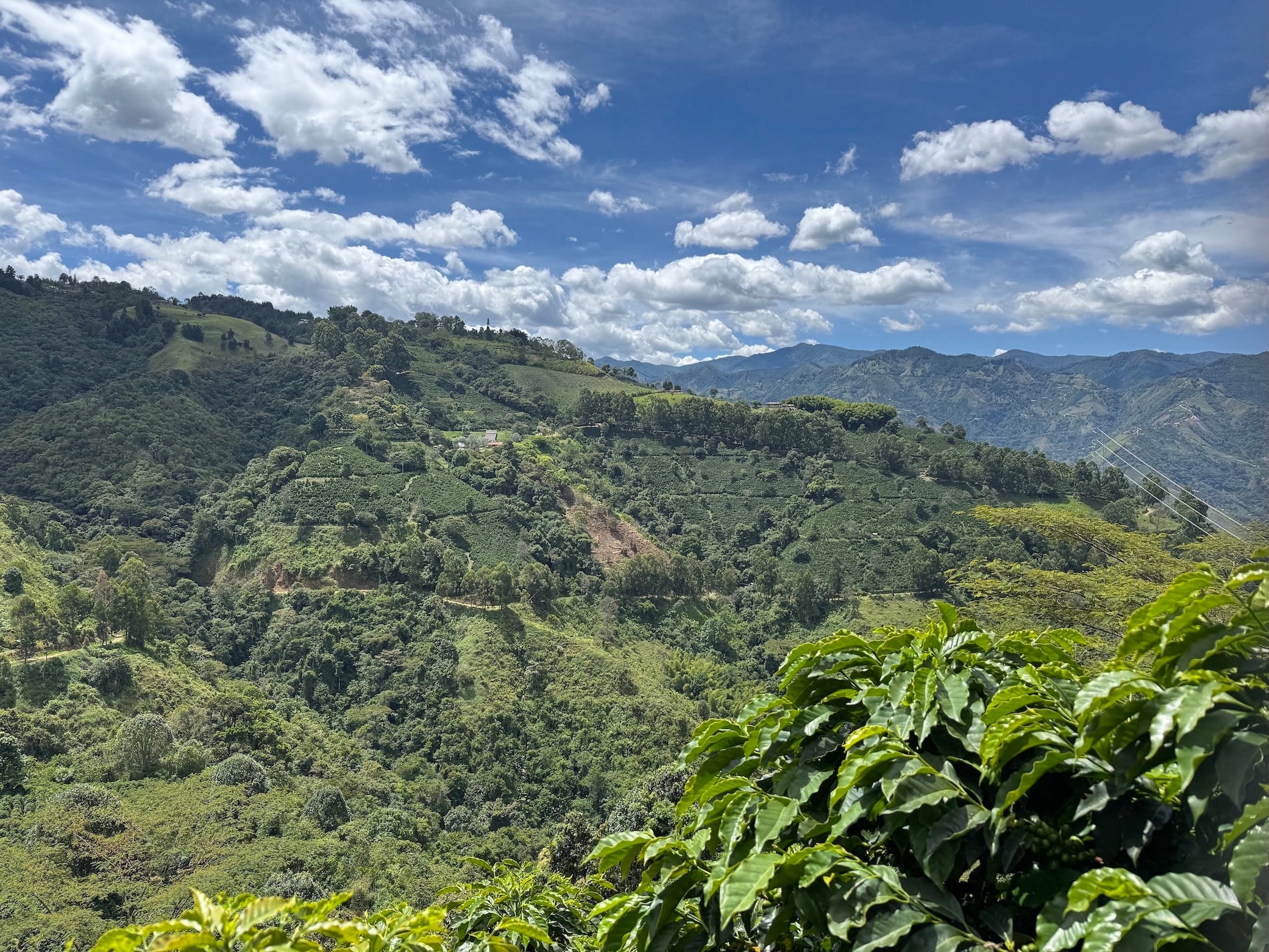
Tesfaye’s rule of thumb is that for every three coffee plants, there should be two shade trees. The farm has a mix of old indigenous trees that survived the fires, post-fire regrowth, and new species he introduced to the farm simply for his passion for forestry.
The farm has a microclimate that is noticeably cooler than the surrounding vicinity, with air that feels clean and fresh and is alive with birdsong. Fallen leaves, trees, and other plant matter are left to decompose where they lay, creating an incredibly healthy soil with a nutrient-rich humus. “We are not certified for the coffee,” Tesfaye says, “We are certified for the nature. That is what organic means to me. It is all for nature.”
Today Suke Quto has grown considerably in size, occupying two tracts of land totaling 742 hectares - about 1,000 soccer pitches - which is entirely forested. It is a vertically integrated operation, with two stations for processing the coffee and a brand new dry mill near Addis Ababa. Tesfaye employs 40 full time staff and 2,000 seasonal workers during the harvest period, most of whom come from the more populous Sidama region.


Photograph Credit: Maurice Kilian/Trabocca
Partners & Suke Quto
We’ve been purchasing coffee from Suke Quto for nearly 15 years! Their coffee is a major component of Bedford, and in the last three years, we’ve been sourcing more and more for single origin filter coffee. We buy a few different preparations each year, including Tesfaye’s elusive “secret process.” Our Good Food Awards winning lot reflects the vast majority of our purchasing, a fully washed coffee.
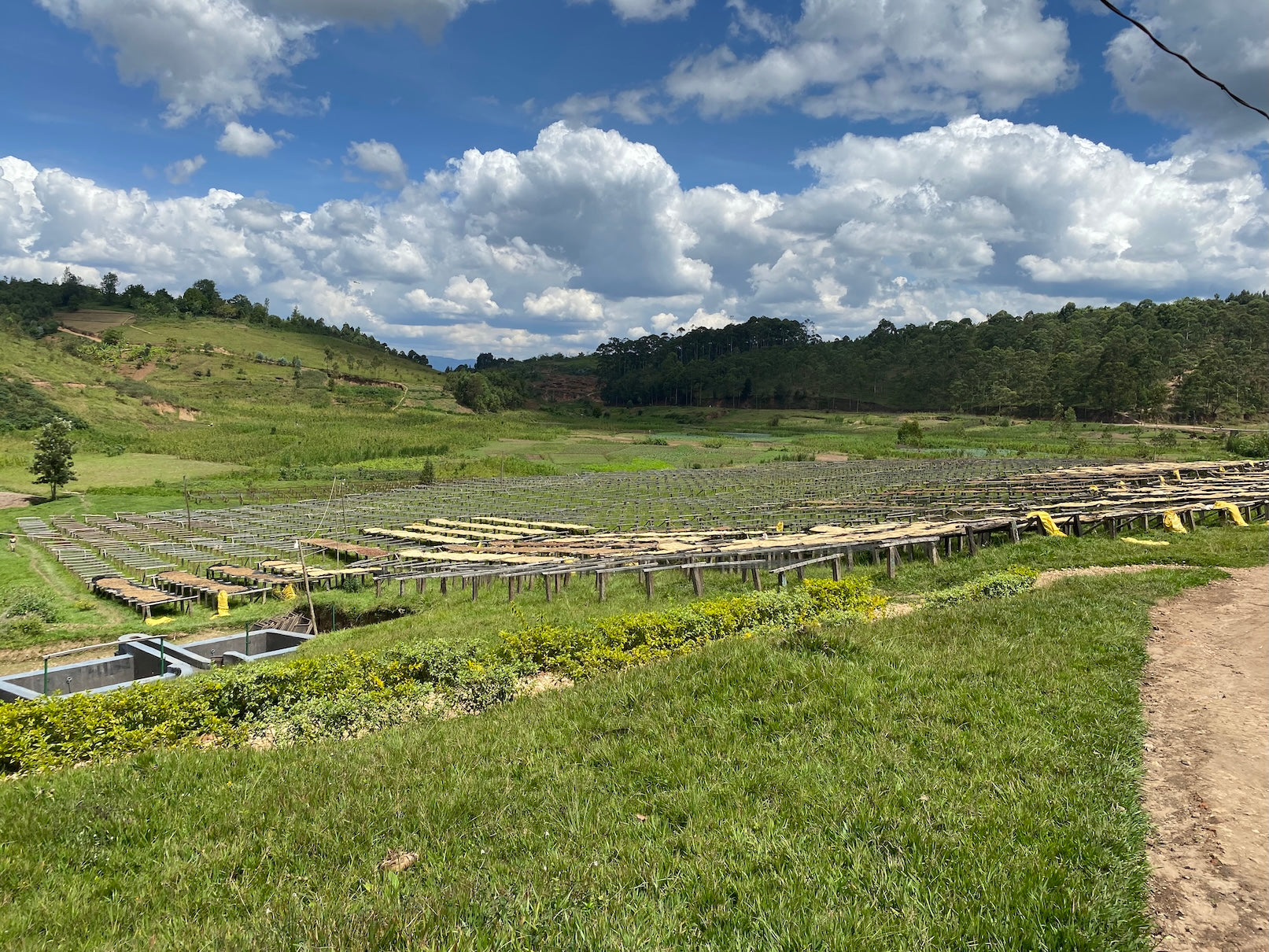
We’ve been fortunate enough to visit Suke Quto on a few different occasions - we’ve now seen both farms and both washing stations, and we hope on our next visit to be able to tour the new dry mill.


Photograph Credit: Maurice Kilian/Trabocca
Sustainability In Our Roastery
The Good Food Awards requires that we demonstrate a commitment to environmental responsibility. In our application we chose to focus on the ways we are attempting to reduce waste generated by our roasting operations. This includes jute and burlap bags, hermetic liners like GrainPro and Ecotact, wooden and plastic pallets, cardboard pallet liners, and plastic wrap. Most of those items we currently can’t reduce, but we strive to reuse, repurpose, and donate them where possible.
For example, we seasonally donate our used jute bags to organic farms just outside of New York City which use them as natural weed barriers. One in particular that we’re excited about has been using them to eliminate invasive weeds - their plan is to replant the farm with native flowers.


Photograph Credit: Maurice Kilian/Trabocca
Cultural Awareness In Marketing
Our application for the Good Food Awards also inquired about our marketing efforts for culturally-specific foods. We strive to be knowledgeable about social, cultural, and historical contexts in the places we source coffee, so we can then be more precise and thoughtful in our marketing language.
For example, in Ethiopia, we try to be mindful of the country’s significant cultural and linguistic diversity, its customs and norms, and its unique modern history. For example, most farmers in Guji are Oromo, a historically pastoral people whose language, traditions, and philosophy on land use differ from those of the Gedeo, Sidama, or Kaffa people. (Many of the seasonal employees of Suke Quto are Sidama.) Land in Ethiopia is broadly communal, so we avoid language that implies land ownership rather than management or stewardship. In speaking about Ethiopia as a genetic and cultural origin of coffee, we frame it as “present day Ethiopia,” a reflection of the fact that coffee cultivation pre-dates its modern era.
Questions? S, opens in a new tabend us an email at help@partnerscoffee.com, opens in a new tab - we're happy to assist!

Leave a comment
This site is protected by hCaptcha and the hCaptcha Privacy Policy and Terms of Service apply.