

If you’ve ever heard the term “resting” in relation to coffee, and wondered with confusion why coffee needs to sleep before keeping us awake, you’re not alone. Coffee resting (or degassing) is actually a crucial step in the lifecycle of roasted coffee, and it helps achieve ideal balance and clarity in your morning brew. If it feels like there's always more to learn about specialty coffee, it's because there is. As processes shift, language changes, and fads come and go - we're here to dive into the details with you.
In this blog post, our Coffee Educator, Joe, shares his expert insight on the benefits of allowing coffee to rest, what these terms and processes actually mean, how to store coffee, and more.
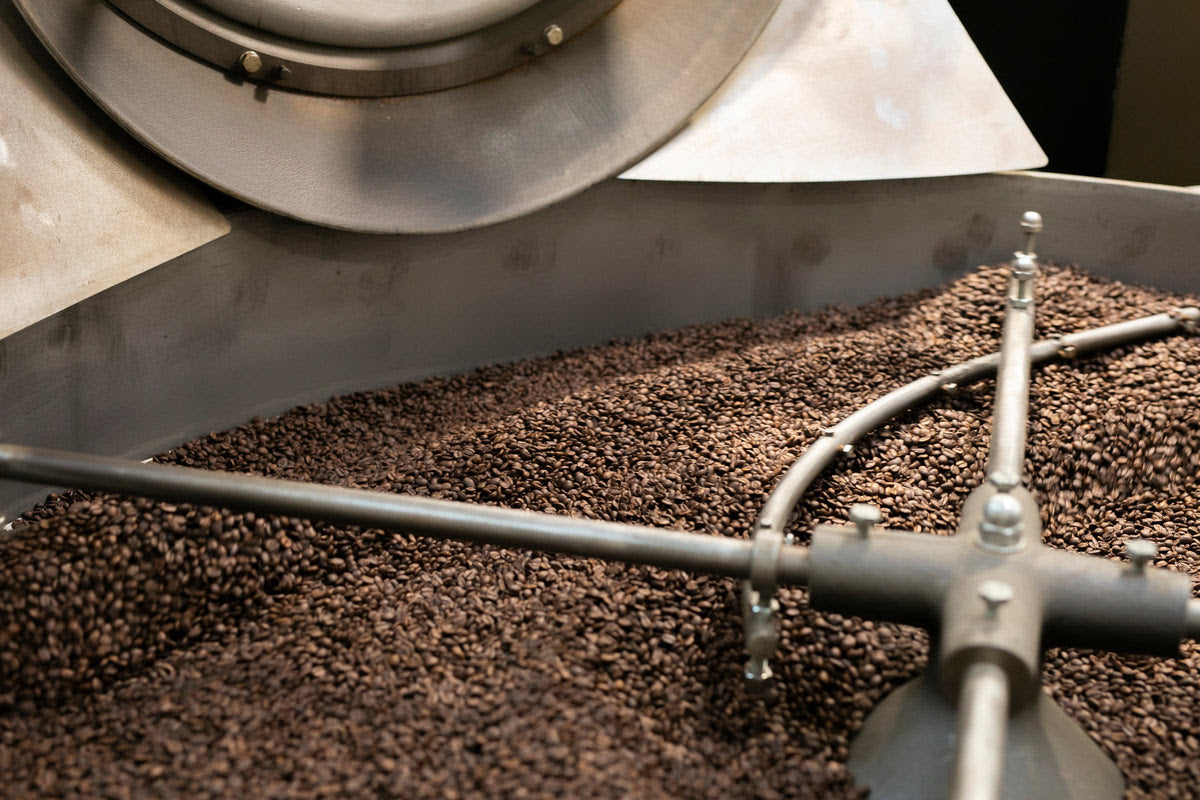
Resting, or degassing, coffee after roasting is often the most overlooked step in extracting the most balanced profile of any specialty coffee. Roasting coffee is a controlled series of chemical and physical transformations that build flavor, aromatics, and structure. Roaster temperatures and steam will begin to cause internal temperatures inside the coffee seed to rise, causing it to expand and physically crack. As the coffee seed becomes less dense, the structure of its cell walls becomes porous — this is key for brewing. Post-first crack, sugars begin to caramelize, acidity softens, and aromatic compounds develop quickly. What may be less familiar, though, is how much CO₂ (carbon dioxide) builds up inside the coffee seed.
Because of this release of CO₂ from the coffee seed, attempting to brew too soon off-roast can disrupt extraction, cause channeling, excessive crema in espresso, or create a muted flavor profile. “Resting” your coffee can ensure you are brewing during its optimal window, catching those beautifully balanced, expressive, and aromatic flavor profiles created from roasting. Brew too early and you will likely experience a sharp, hollow, or flat profile. Brew too late, and those flavor notes will slowly begin to disappear.
The “sweet spot” for many specialty coffees can peak between 5-12 days off of roasting, but this will also be dependent on origin, processing method, and roasting style. As this coffee degasses and ages, you will experience noticeable changes in acidity, sweetness, and body. As a general rule-of-thumb, I would recommend resting your coffee a minimum of 5-7 days for Filter brewing methods, and 7-10 days when brewing for Espresso.
Coffee is an organic product that will age and degrade over time. I recommend keeping beans whole to grind immediately before brewing. For coffee storage, opens in a new tab, I recommend an airtight container kept at room temperature, away from light, heat, or moisture, and avoiding frequent opening or exposure to oxygen, as oxidation will quickly stale those beans, opens in a new tab.The bottom line is to ensure you have ordered enough coffee to allow it to rest and degass for this 5-10 day window. I’m certain you will have a more pleasant experience, for both home-brewers and baristas alike.
Questions? Browse our FAQ, opens in a new tab or send us an email at help@partnerscoffee.com - we're happy to assist!



Leave a comment
This site is protected by hCaptcha and the hCaptcha Privacy Policy and Terms of Service apply.